

Understanding the Controversy Behind Kenya’s US-Backed Ebola Facility
In June 2026, Kenya became the epicenter of a heated debate over international health partnerships when the United States announced plans to establish a 50-bed medical quarantine facility at Laikipia Air Base for Americans potentially exposed to Ebola. The announcement, intended to strengthen regional health preparedness, instead ignited widespread protests, legal challenges and sharp criticism from medical officers, healthcare workers and civil society groups across East Africa.
Why Kenya is Rejecting the Ebola Facility
Kenya is moving forward with a US-backed Ebola quarantine facility despite a court order temporarily halting the plan, designed to treat Americans exposed to Ebola in the Democratic Republic of Congo. But this proposal has become far more than a technical health matter, it has evolved into a symbol of perceived exploitation and double standards in international health diplomacy.
The core argument from opposition groups is straightforward and powerful: If it’s too dangerous for America, it’s too dangerous for Kenya.
Main Reasons for the Backlash
1. Sovereignty and Constitutional Concerns
The Katiba Institute, a Kenyan rights group, said in a petition challenging the planned facility that it was being established in secrecy and unilaterally and that it “raises grave constitutional concerns”. Kenyans across the nation felt blindsided when the government appeared to accept this arrangement without adequate public consultation or transparent debate.
2. Double Standards and International Fairness
Secretary of State Marco Rubio said at a cabinet meeting on Wednesday that the US “cannot and will not allow any cases of Ebola to enter” the country.
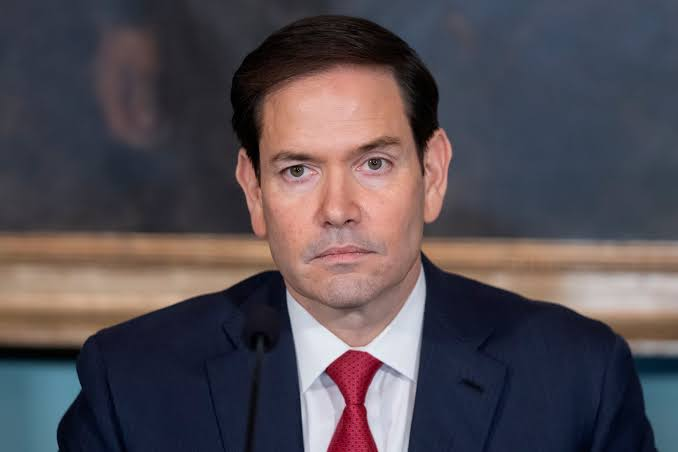
This stark contrast sparked outrage among Kenyans who questioned why the United States would refuse to host the facility domestically but expect Kenya to accept it.
3. Health Infrastructure and Safety Risks
The Law Society of Kenya warned the country lacked “the high-containment infrastructure required to safely manage such a facility”, potentially exposing the public to serious health risks. Medical officers and health professionals throughout Kenya raised concerns about whether local hospital infrastructure could adequately handle the biological hazards associated with Ebola containment.
4. Healthcare Worker Opposition
The Kenya Medical Practitioners, Pharmacists and Dentists Union issued a 48-hour strike alert in preparation should the government proceed with the deal, accusing authorities of putting public health at risk. These medical professionals understood the risks better than most and refused to remain silent.
The Scale of Public Backlash
Deadly Protests and Civil Unrest
Hundreds took to the streets of Nanyuki town on Monday and Tuesday and gathered in front of the planned centre, to which Americans who contract Ebola while overseas will be sent rather than being allowed back home. At least two people were killed, and one person was injured when the demonstration turned violent on Monday.
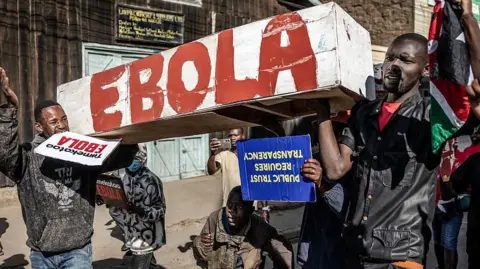
“Kenya is not an American colony!” became the rallying cry of protesters who saw the facility as an infringement on national autonomy.
What Would the Facility Actually Do?
To understand the controversy, it’s important to grasp what the facility’s purpose was:
- Isolation and Quarantine: The facility would house Americans returning from DRC Ebola response operations
- Diagnostic Capabilities: The center would include testing equipment for rapid diagnosis and laboratory analysis
- Specimen Management: According to officials, the facility would include proper handling protocols for specimens and biological materials
- Patient Care: The hospital-level facility would provide critical care for patients with confirmed or suspected Ebola cases
- Clinical Support: Health education resources and epidemiological support would be available to surrounding clinics and health centers
According to US officials, the centre would have isolation and biocontainment units for holding and treating suspected and positive cases, with approximately 30 officers of the Commissioned Corps of the US Public Health Service trained for the operation.
The Court Intervention
Kenya has halted construction of a controversial US-backed Ebola isolation facility after the country’s High Court found Health Minister Aden Duale in contempt of court.
On Tuesday, Duale told the court that he had ordered “the immediate and complete cessation” of construction and related activities at the site pending the outcome of a legal challenge.
This marked a dramatic reversal after weeks of mounting political pressure and public resistance.
Why Kenya Had No Ebola Cases
It’s crucial to understand that Kenya has not recorded any Ebola cases, yet the government was being asked to host a facility for a disease outbreak more than 1,500 miles away in the Democratic Republic of Congo.
The Ebola outbreak was confirmed in DR Congo in May and has led to 1,048 confirmed cases and at least 267 deaths as of June 22, according to the Health Ministry. At least 75 healthcare workers in DRC have contracted the virus, with 17 deaths recorded. Uganda – which neighbours Kenya – has reported 20 confirmed cases, including two deaths.
This geographical distance made the argument for a facility in Kenya even more contentious.
Is Money Masking Health Risks?
The United States offered substantial financial incentives for accepting the facility:
- The new agreement stipulates that the US will provide $1.6 billion to Kenya between 2026 and 2030, with Kenya picking up more of the tab for its own health system.
- US officials said Washington intends to commit $13.5m towards “Kenya’s Ebola preparedness efforts”.
However, many Kenyans saw these funding offers as attempts to sweeten a deal they fundamentally opposed, leading to accusations that the government was prioritizing money over health and safety.
Legal Battles and Uncertainty
The future of the project will now depend on the outcome of the court case and whether the government can obtain legal approval to restart construction.
As of late June 2026, construction remains halted, and the Kenyan government continues to defend the necessity of Ebola preparedness measures while respecting the court’s directive. Meanwhile, civil society groups continue to mount legal arguments against the facility.
Why This Matters
- National Sovereignty Matters: Kenyans made clear they will not accept deals made without genuine consultation and transparency
- Healthcare Infrastructure Questions Remain: Kenya’s hospital system and laboratory capabilities for handling Ebola require serious investment—but perhaps in ways that serve Kenyans first
- International Fairness Must Be Reciprocal: Medical officers and policymakers worldwide are watching to see if wealthy nations will accept the same risks they ask others to bear
- Public Trust is Essential: The backlash demonstrated that health education and community engagement cannot be bypassed in international medical partnerships
- Courts Can Protect Citizens: Kenya’s High Court intervention showed that legal mechanisms can serve as checks on potentially harmful agreements
The Larger Conversation
This controversy extends beyond Ebola to larger questions about Africa’s relationship with global powers, the ethics of international health partnerships, and whether agreements that prioritize wealthy nations’ interests over host nations’ health and sovereignty can be sustained in the modern era.
As Kenya’s courts deliberate on the facility’s future, one thing is clear: the nation’s patients, medical officers, healthcare workers, and ordinary citizens have made their position unmistakable, Kenya will not become what they call a “containment colony” for diseases that originated elsewhere.